
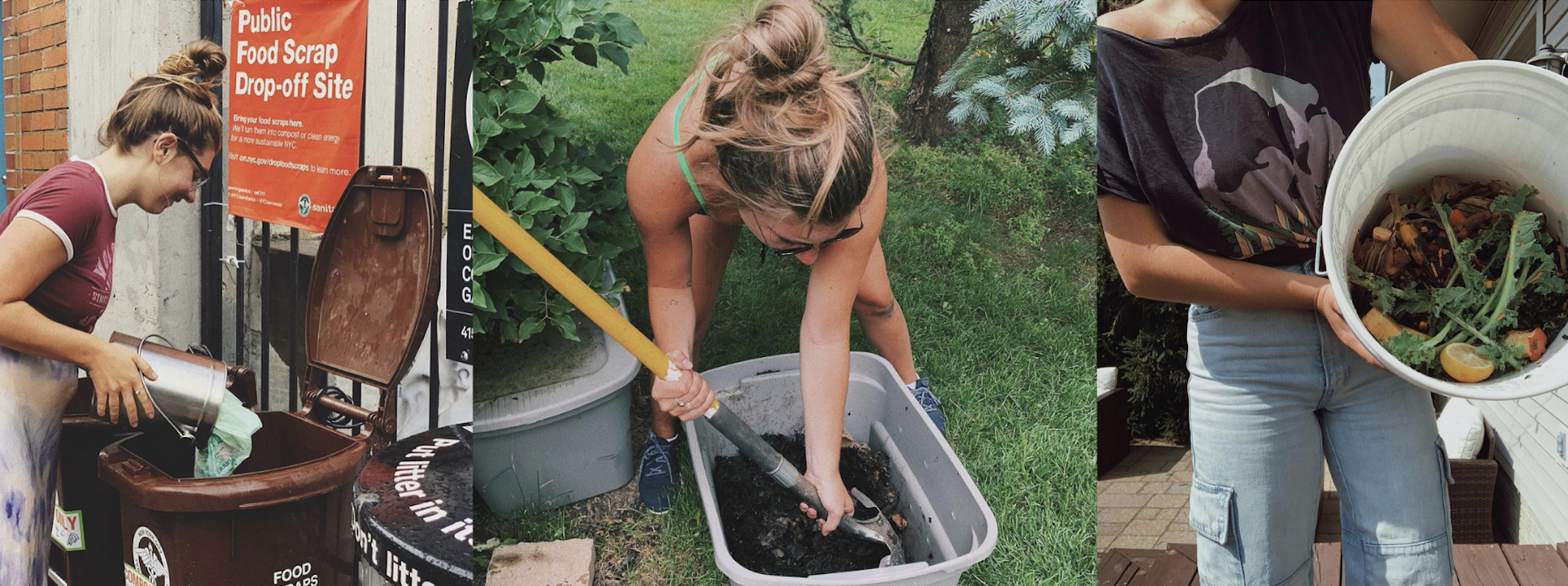
Composting 101
Let's start with the question, what is composting?
Composting is a mixture of ingredients used to fertilize and improve the soil.
It is commonly prepared by decomposing plant & food waste and recycled organic materials. The resulting mixture is rich in plant nutrients and beneficial organisms such as worms and fungal mycelium.
It is also known as black gold because of its magical properties when it comes to farming, planting, gardening, etc.



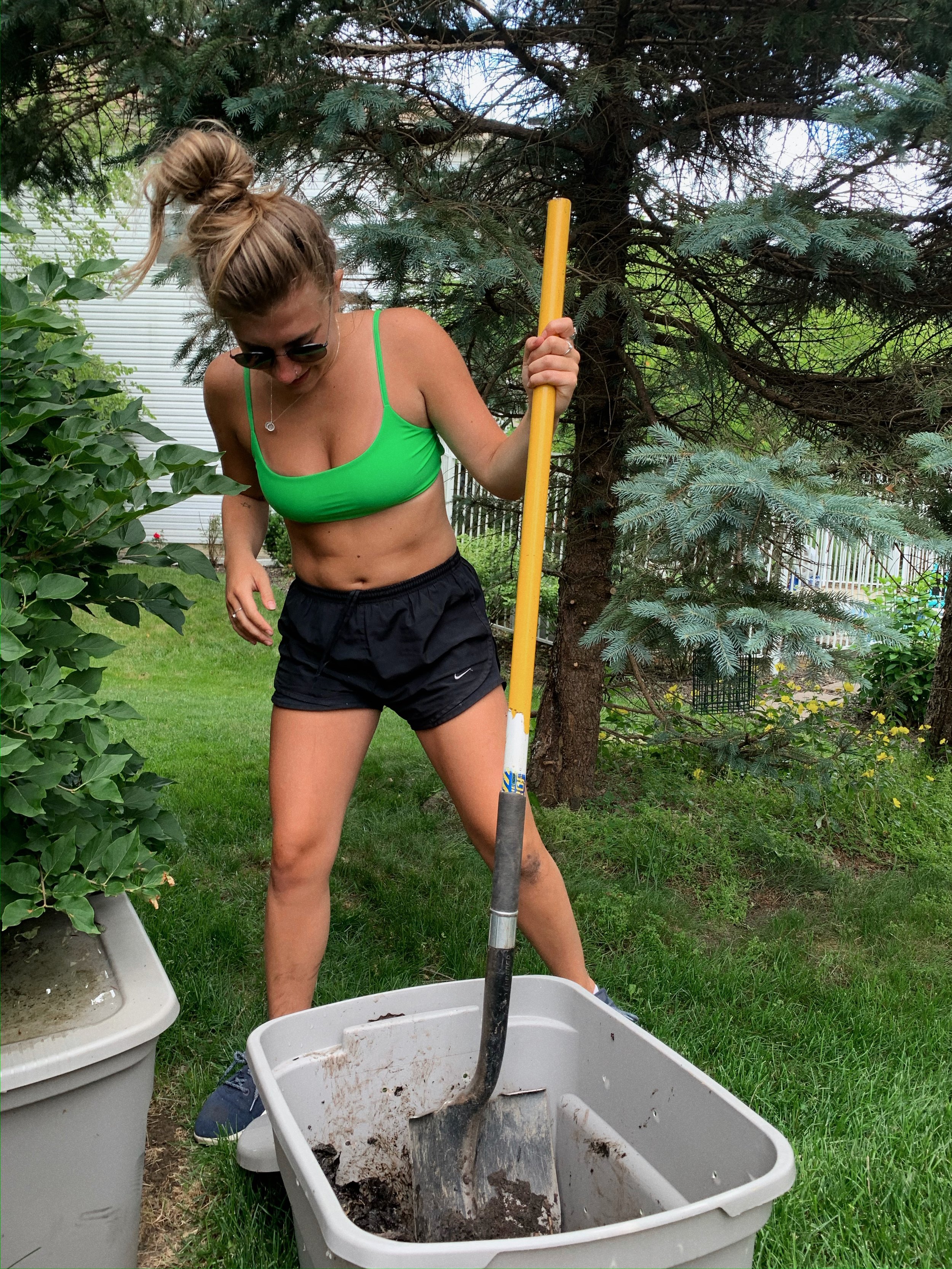
Composting is good for the environment
because when your food scraps end up in the landfill, they produce methane gas that is 22-25x more harmful for the planet.
When you compost, the food scraps go right back into the earth and can be used to grow more foods. Your food scraps become new food and eventually creating a circular cycle for your waste.

What is a compost dropoff?
A compost dropoff is a way where people can drop their composts off and whoever is in charge of the compost takes care of the rest. Some of them are memberships, local, or provided by the city. The best way to find a drop off compost is to do a quick google search about drop off composts near me.
Composting can be as easy or as hard as you want.
The different types of composts:
Backyard compost: This is your own personal compost but it requires some upkeep. You have to mix it up once a week and make sure there are equal amounts of food scraps and equal amounts of brown material (like leaves and paper). The backyard compost is a great option for people who own a home, have a garden, and are willing to put effort into it.

Counter compost: With a counter compost, you get a special compost bin that sits on your counter. Typically it is a metal bin with a carbon filter and a lid which helps with the decomposing smell. You throw all your scraps into the bin and take it to a local compost drop-off. This is a great option for people who have lots of items to compost and are composting weekly.
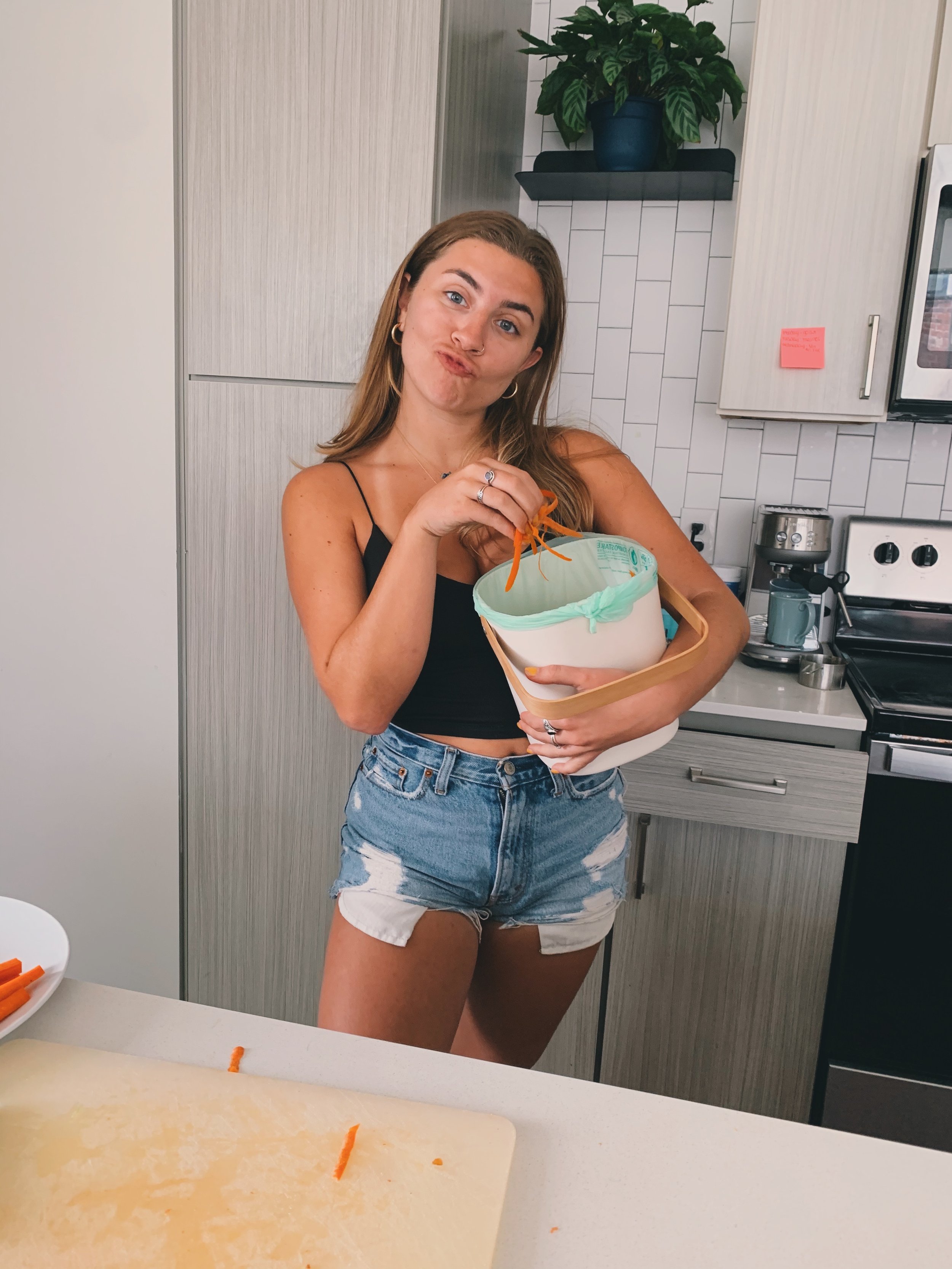
Freezer compost: A freezer compost consists of a bin or bag of your choice and all your scraps. You keep it in the freezer to freeze the compost and stop the waste from decomposting. Then once it is full you take it to your local compost dropoff. This is a great option for people who live in an apt, are worried about the compost smell, and don't compost frequently.

What can you compost?
Depending on your location/city, always double check what you are able to compost and what you aren't able to compost. Here is a standard guide on things you should typically be able to compost:
All raw fruits and vegetable scraps
Coffee Grinds
House plants
Nut shells
Tea bags (that aren't lined with plastic)
Small Pieces of cardboard
Leaves
Egg shells
Loose leaf tea


Composting FAQ’s
-
1. Google where a food scrap drop off is near you
2. Decide if you are gonna use a freezer compost or just counter compost (more details on my story to help you make the right choice)
3. Get the bin
4. Put your food scraps in the bin
5. Drop off your food scraps6. Fist bump yourself because you are an earth loving champ -
Google is your best friend in this situation! See if there is any compost drop off, food scrap drop offs or community compost in your area. #protip: check out the @happyearthhabits story highlights because the HEH community shares their favorite drop off locations all the time.
-
Composting is great!! All of your compost goes right back into the ground to produce more raw materials to make more stuff... same idea as recycling just way faster, way less chemicals, and way less power used. Oh, and when your food goes to the landfill it produces way stronger gasses than it does in a compost.
-
I try for once every four days or when it gets full!
-
YES!! So, give it a try!!
-
Freezer Pros: freezer compost doesn’t get smelly, easy to transport, & doesn’t leak.
Freezer Cons: takes up precious freezer space.
Counter Pros: looks super cute, easy access, & easy to drop off
Counter Cons: you have to drop off often & gets leaky if it sits for too long
-
When food waste ends up in the landfills it produces methane gas that is 22-25x more harmful for the planet then if the food waste went to a compost. When I drop my food scraps off they take it to a big compost where it’s turned into nutrient rich soil and they sell it at the farmers market. My plant babies are so happy and so is Mamma Earth! How cool is that.
Composting is the nature’s perfect model of a close loop lifecycle. Your food waste turns into something new, that’s used to make more food! We gotta start thinking about how we can turn our waste into stuff we need.


